
Vein Treatment Options
Find lasting relief from aching legs, swelling, and visible veins with advanced, minimally invasive varicose and spider vein treatments performed in our office by board-certified physicians.
Common Symptoms of Vein Disease
Vein disease can cause more than visible veins. If you've noticed any of the following symptoms, it may be time for an evaluation.
Leg Aching, Heaviness or Fatigue
When veins are not circulating blood efficiently, pressure can build in the legs and contribute to ongoing discomfort. Legs that feel tired, sore or heavy, especially later in the day or after long periods of standing or sitting, may be a sign of vein disease.
Treatments That May Be Recommended Based on Evaluation
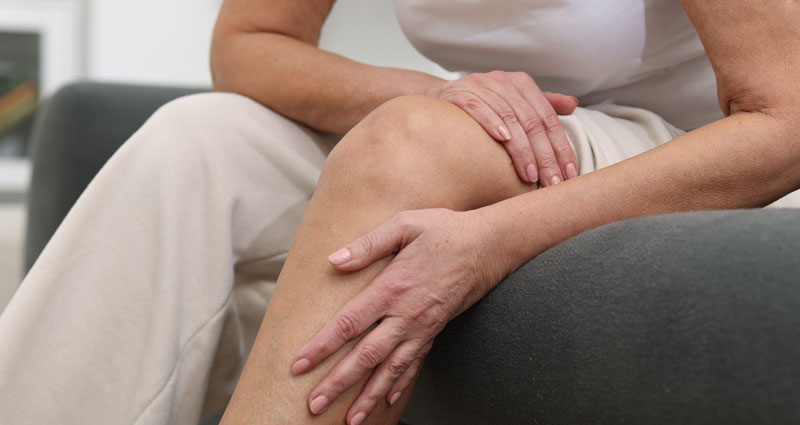
Swelling in the Legs or Ankles
Poor vein function can cause swelling in the lower legs, ankles or feet. Chronic swelling can be an early sign of venous insufficiency and should be evaluated before the condition progresses.
Treatments That May Be Recommended Based on Evaluation
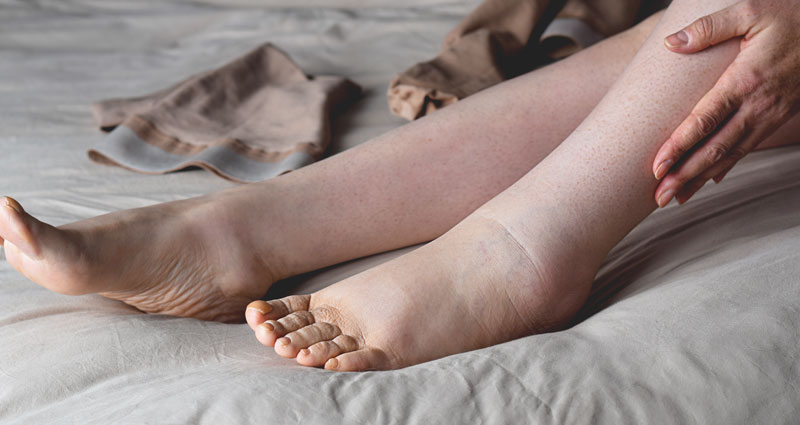
Spider Veins
Small red, blue or purple veins that appear close to the surface of the skin, often on the legs, are called spider veins. Although many people seek treatment for cosmetic reasons, spider veins may appear alongside underlying vein disease.
Treatments That May Be Recommended Based on Evaluation
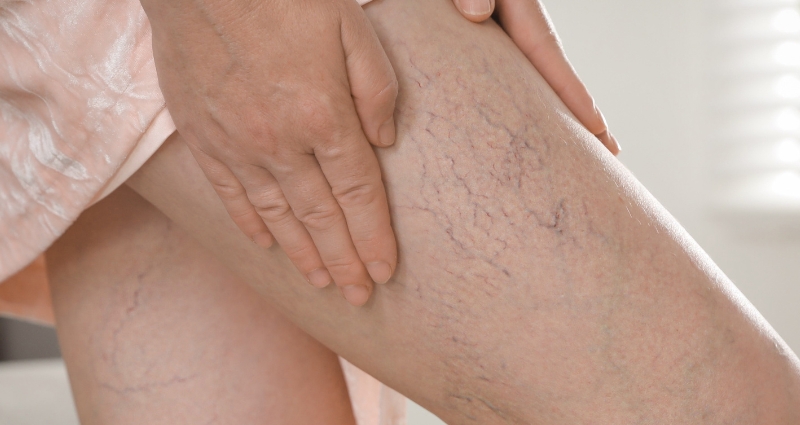
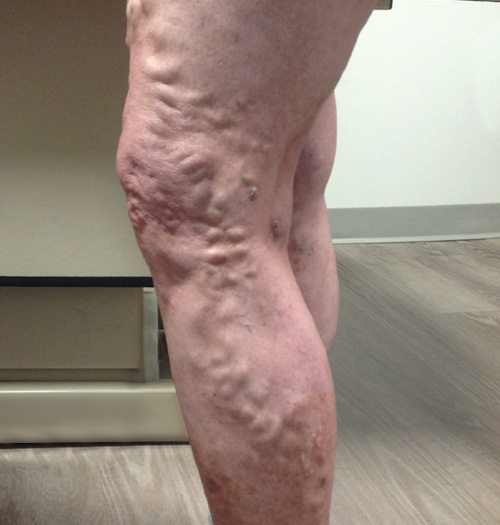
Bulging or Twisted Veins
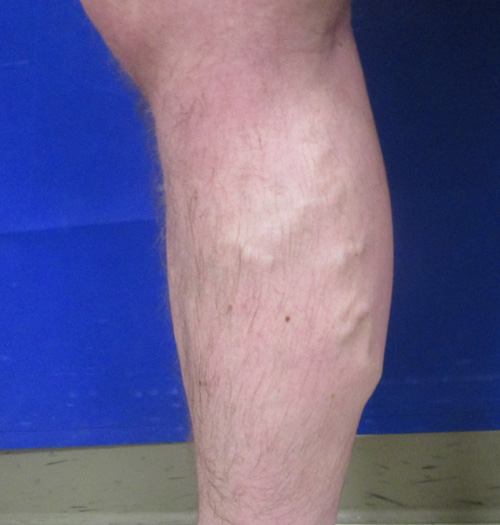
Varicose veins are more than cosmetic; they often indicate underlying dysfunction and may worsen over time without treatment. Bulging, enlarged or twisted veins may be accompanied by aching, heaviness or swelling.
Treatments That May Be Recommended Based on Evaluation
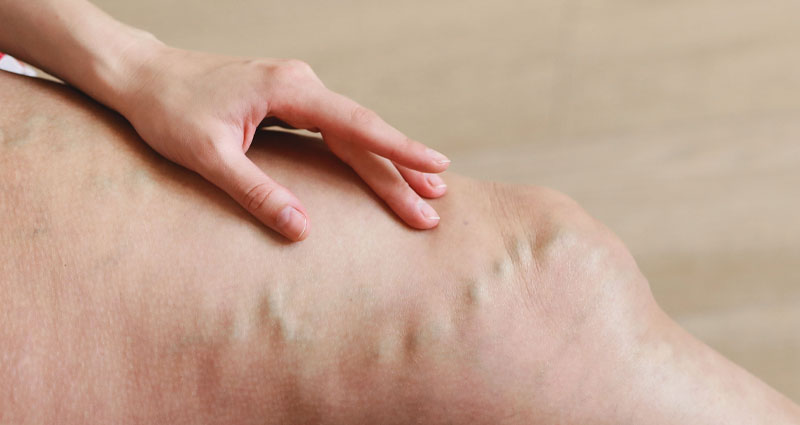
Skin Discoloration or Changes
Darkening skin, irritation, dryness or other visible changes near the ankles or lower legs may be a sign of more advanced vein disease. These changes can develop over time when increased vein pressure affects the skin and surrounding tissue.
Treatments That May Be Recommended Based on Evaluation
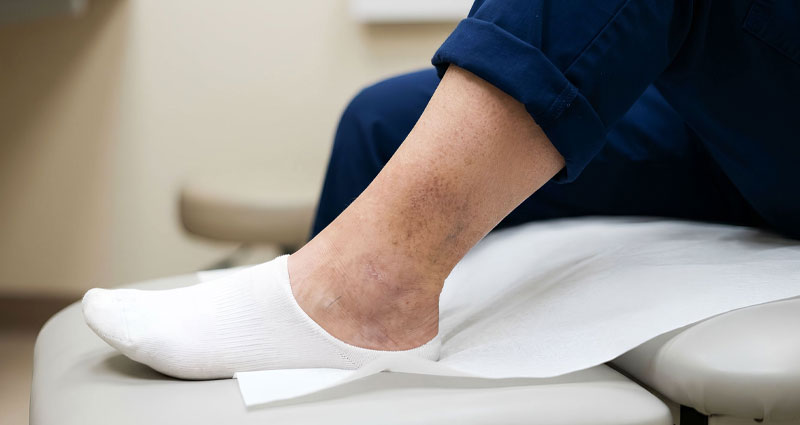
Burning or Tingling Sensations
Unusual sensations in the legs, including burning, tingling, or itching, could be related to circulation issues. These symptoms often appear alongside other common signs of vein disease, such as swelling, heaviness or visibly gnarled veins.
Treatments That May Be Recommended Based on Evaluation
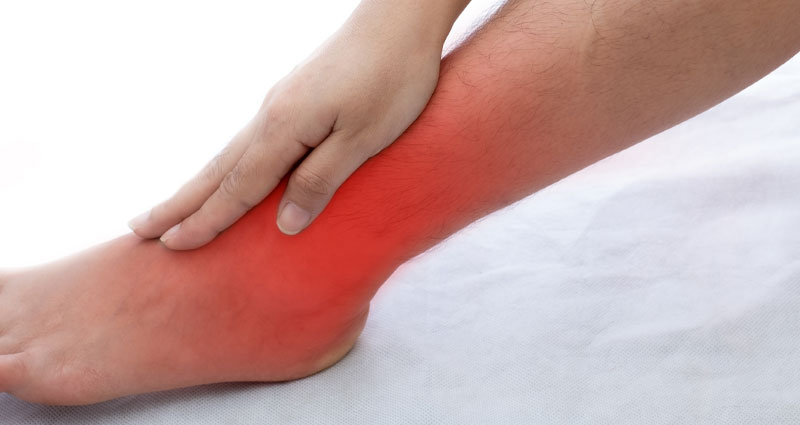
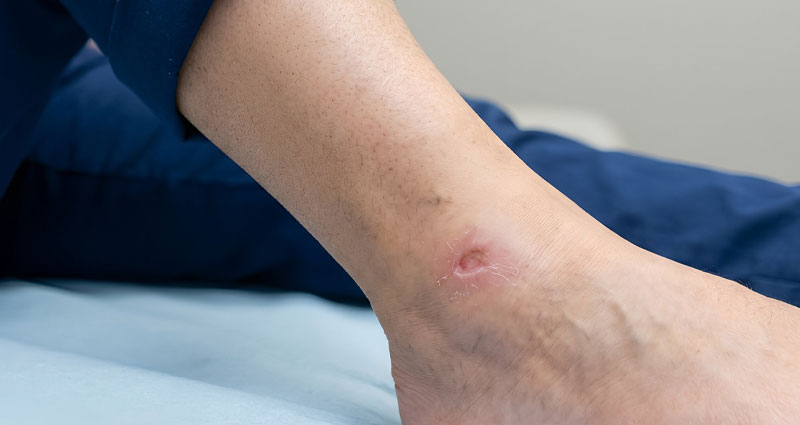
Sores, Ulcers or Slow-Healing Wounds
Poor circulation and increased vein pressure make it more difficult for the skin to heal properly. Open sores or slow-healing wounds near the lower leg or ankle can be a serious sign of advanced vein disease and should be evaluated promptly.
Treatments That May Be Recommended Based on Evaluation
What Happens During My First Appointment?

Physician Consultation
Meet one-on-one with an experienced physician to thoroughly discuss your symptoms, medical history and specific concerns.

Diagnostic Ultrasound
Undergo a safe, painless ultrasound right in our office to evaluate blood flow, assess vein function and identify the source of symptoms.

Personalized Treatment Plan
Review the results with your doctor and discuss customized treatment recommendations for your lifestyle and goals.
Most Insurance Plans Accepted
Common Vein Treatment Options
Learn how each treatment works, what it treats, and what to expect during recovery.
What It Treats
Varicose veins and chronic venous insufficiency.
How It Works
A small catheter delivers heat to the damaged vein, causing it to shrink and close.
Procedure & Recovery Time
30–60 minutes; minimal downtime.
What It Treats
Varicose veins and chronic venous insufficiency.
How It Works
Gentle foam sclerosant is injected into the damaged vein to close it.
Procedure & Recovery Time
30 minutes; minimal downtime.
What It Treats
Varicose veins and chronic venous insufficiency.
How It Works
Laser fiber is inserted into the damaged vein and laser energy closes it.
Procedure & Recovery Time
45–60 minutes; minimal downtime.
What It Treats
Large, bulging varicose veins close to the skin's surface.
How It Works
Varicose veins are gently lifted through a tiny incision in the skin.
Procedure & Recovery Time
1-2 hours; minimal downtime.
What It Treats
Spider veins and small varicose veins.
How It Works
A mild chemical solution is injected into the damaged vein to close it.
Procedure & Recovery Time
30–45 minutes; minimal downtime.
Real Patients. Real Results.
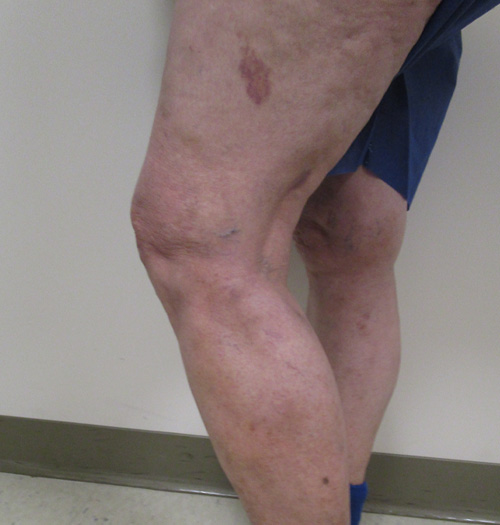
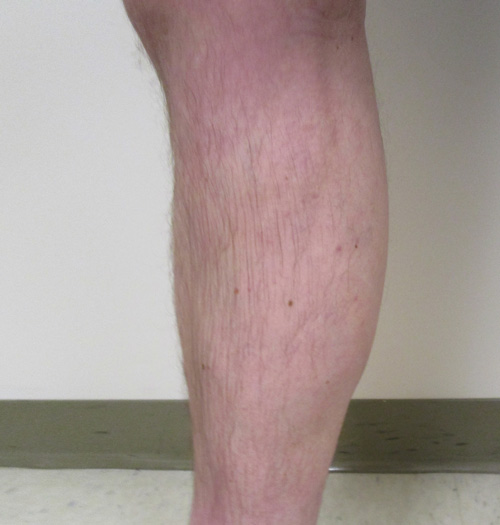
See real before-and-after photos showing the visible difference vein treatment can make.
NOTE: The “after” photos were taken approximately 1-3 months after treatment.


Ready to take the next step toward healthier, more comfortable legs?
Schedule a consultation to discuss your symptoms, receive a diagnostic ultrasound evaluation, and review personalized treatment options tailored to you.
- One-on-one physician consultation
- Diagnostic ultrasound evaluation
- Personalized treatment recommendations
We accept most insurance plans.